Key Takeaways
- Fast fashion is accelerating environmental decline by driving overproduction, textile waste, and microplastic pollution that end up in our oceans and food chain.
- The social impacts of fast fashion are profound, including exploitative labor conditions and unequal burdens placed on communities in the Global South.
- Disposability is the new normal—with many garments worn fewer than 10 times before being discarded, fueling landfills and illegal clothing dumps.
- Green fashion alternatives are emerging, from circular economy models to policies like the Fashion Sustainability and Social Accountability Act.
- Consumer choices matter—supporting sustainable brands, reusing, and buying less can collectively reshape the future of fashion.

Every second, the world discards the equivalent of a garbage truck full of clothes. Behind the glossy shop windows and endless “new arrivals” lies a troubling reality: consequences of fast fashion are wreaking havoc on the planet and communities.
This blog unpacks the environmental crisis and social impact of fast fashion, explaining why fast fashion is bad, tracing its history, and exploring emerging solutions like green fashion and potentially revolutionary global policies.
Fast Fashion Explained – What It Truly Means?
Before understanding its impact, it’s important to know what fast fashion is. Simply put, it is a business model where clothing brands produce trendy styles at lightning speed and low cost, so that the consumers can buy more, more often.
Fast fashion took off in the 1990s, when brands like Zara revolutionized production cycles by cutting the time from design to store to mere 15 days. This business model redefined what is fast fashion:
Inexpensive, trendy clothing produced quickly and in massive quantities.
These garments are designed to mimic runway looks or celebrity outfits but are made with cheaper fabrics and shorter lifespans. In practice, this means:
- New collections hit stores every few weeks.
- Clothes are affordable but not built to last.
- Disposability becomes normal. Many items are worn fewer than 10 times before being tossed.
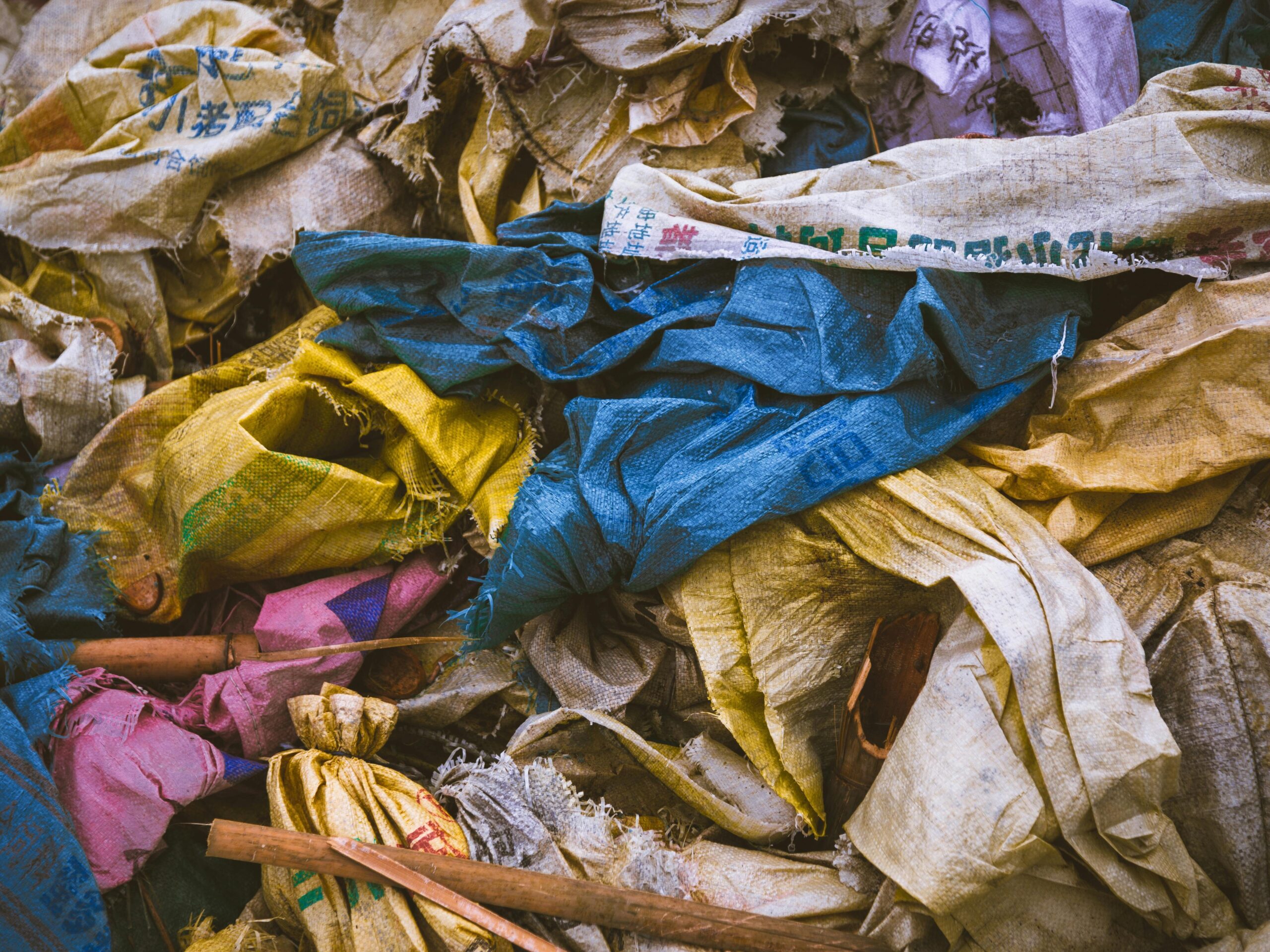
This cycle fuels overconsumption, textile waste, and massive environmental damage. It also shifts the hidden burden onto workers in developing countries, who make these clothes under exploitative conditions.
The catch?
Clothing longevity has plummeted by 35% in the last 15 years. Shirts, dresses, and jeans are tossed aside after only a handful of wears, fueling a cycle of waste and unsustainable consumption.
Fast Fashion’s Environmental Consequences
1. Carbon Emissions Outpace Transport
The fashion industry produces 8 – 10% of global carbon emissions, more than international flights and maritime shipping combined. If trends continue, the fast fashion economic impact could accelerate global warming further, with emissions from textiles set to rise 60% by 2030.
2. Water Consumption And Pollution
Fashion is the second-largest industrial consumer of water, using over 90 billion cubic meters annually. Dyeing and finishing garments alone contribute up to 20% of global industrial wastewater, contaminating rivers and communities with toxic chemicals.
3. Mountains Of Textile Waste
Each year, 92 million tonnes of textiles are discarded. Much of this waste is shipped to countries with fewer resources for safe disposal, creating environmental and social burdens.
4. Microplastic Pollution In Oceans
Synthetic fabrics shed fibers during washing, releasing around 500,000 tons of microplastics annually. These microfibers contribute 35% of oceanic microplastics and threaten marine life, eventually making their way into human food systems.



Social Impact Of Fast Fashion – Beyond Pollution
The social impacts of fast fashion are often overlooked. Behind cheap prices are garment workers, mostly comprising young women fraction, who earn as little as $1.58 an hour under unsafe and exploitative conditions.
The Rana Plaza collapse in 2013, which killed over 1,100 workers in Bangladesh, remains a painful reminder of the human cost. Yet tragedies continue in less visible ways: exposure to toxic chemicals, long working hours, and poor labor protections.
The Fashion Sustainability and Social Accountability Act, a groundbreaking proposal in the United States, seeks to change this by holding major fashion companies accountable for labor rights and environmental standards.
Flip To Know Shocking Stories About Fast Fashion
In Chile’s Atacama Desert, a massive clothing dump—fed by textile waste from the U.S., China, and the UK—can be seen from space…
Shein, a major fast-fashion player, uses AI to list up to 600,000 items on its platform…
In 2023, Shein produced an estimated 16.7 million metric tons of CO₂, used 76% polyester…
Textiles use an immense amount of raw materials—approximately 342 million barrels of…
Spotlight On Solutions: Green Fashion And Circular Economy
1. Global Initiatives And Policy
International organizations like the UN Environment Programme are advancing roadmaps for sustainable fashion. In the EU, new rules will enforce extended producer responsibility, the right to repair, and a ban on destroying unsold clothing by 2026.
Meanwhile, legislative efforts like the Fashion Sustainability and Social Accountability Act in the U.S. aim to bring greater transparency to supply chains, reducing both environmental and human harm.
2. Brand-Level Changes
Some global brands are experimenting with recycled fabrics, resale programs, and take-back schemes. However, many of these initiatives risk falling into greenwashing if not backed by measurable results.
3. Consumer Actions And Industry Trends
Consumers are driving cultural shifts, particularly Gen Z, who are embracing secondhand markets, clothing rentals, and slow fashion. In Europe, nearly 30% of young consumers wear pre-owned items, while in the U.S., over 60% consider secondhand options before buying new.
These choices demonstrate a collective push toward reducing the fast fashion consequences that have dominated for decades.

What Can You Do?
For readers looking to transition from fast to green fashion, here are helpful guides:
- The 30-Day Challenge for an Eco-Living
- Green Living: 7 Tips for Everyday Environmentalists
- The Circular Carbon Economy: A Complete Guide
Conclusion: Let’s Rethink Fashion Before It Unravels Us
Fast fashion is not just a fleeting trend, but a system accelerating climate change.
- Every synthetic shirt shed in a washing machine releases microfibers that enter our food chain.
- Every cheaply dyed dress carries the invisible cost of polluted rivers in the Global South.
- And every “must-have” collection drives a culture of disposability that the planet cannot metabolize.
We are now facing a choice, not between style and sustainability, but between a fashion system that consumes the Earth and one that coexists with it.
By supporting slower, greener, and more socially accountable fashion, we can shift an industry built on excess into one built on endurance. Fashion will always be about expression, but it must also be about survival in the future.