
Women make up nearly 40.2% of the global workforce and nearly 43% work in agricultural sector, yet less than 15 percent of them have land ownership. Meanwhile, a report published by UN Women revealed that climate-related disasters are projected to push 158 million more women and girls into poverty by 2050 if current trends continue. These figures put the urgency of mainstreaming gender into climate action in perspective and reveal a critical flaw in how current policies are designed and delivered.
This article explains what it actually means to mainstream gender in climate justice and action, why ignoring gender weakens climate outcomes, and how gender-responsive approaches improve policies, investments, and on-ground results. No technical jargon, only simple and clear ideas with a step-by-step application framework and case studies that can help you understand and make an impact.

What Does “Mainstreaming Gender” Means In Climate Action?
The concept is often used loosely and in a somewhat pejorative sense, causing confusion and misrepresentation. Therefore, it is important to clarify what gender mainstreaming means in practical climate terms. Here’s how three globally recognized “for people” organizations define it:
The United Nations defines gender mainstreaming as the process of assessing the implications for different genders of any planned action, including policies, programs, and projects, at all levels. The goal is to ensure that all genders benefit equally and that inequality is not perpetuated.
The UNFCCC extends this definition to climate action by emphasizing that gender considerations must be integrated across mitigation, adaptation, climate finance, technology transfer, and capacity building, rather than addressed through isolated initiatives.
Development institutions such as the World Bank describe gender-responsive climate action as one that recognizes differences in roles, responsibilities, access to resources, and decision-making power, and designs climate interventions accordingly.
Taken together, all these definitions point to a simple idea that “gender and climate action go together, as the former shapes and is shaped by the latter.” Climate risks are not experienced equally and therefore implementation cannot serve a singularly oriented approach.
What Gender Mainstreaming Is NOT?
- Gender mainstreaming does not mean adding a “women’s section” to a climate policy or running a parallel gender project with limited funding.
- It also does not mean prioritizing one group at the expense of others.
Contrarily, it is about improving the quality and effectiveness of climate action by making it more realistic, inclusive, and context-aware for all genders.

For example, a climate adaptation project distributes drought-resistant seeds to farmers. If the project assumes that all farmers have equal access to land, training, and credit, this may cause unintentional gender exclusion for women.
The project does not consider the ground reality that women in many regions farm smaller plots, lack formal land titles, or cannot attend training sessions due to unpaid care responsibilities. The project may look successful on paper, but its impact will be uneven and limited.
A gender-responsive version of the same project would adjust training schedules, delivery mechanisms, and financing options so that women farmers can participate fully. The climate goal remains the same, but the outcome becomes stronger and more sustainable.
5 Actionables to Mainstream Gender in Climate Action
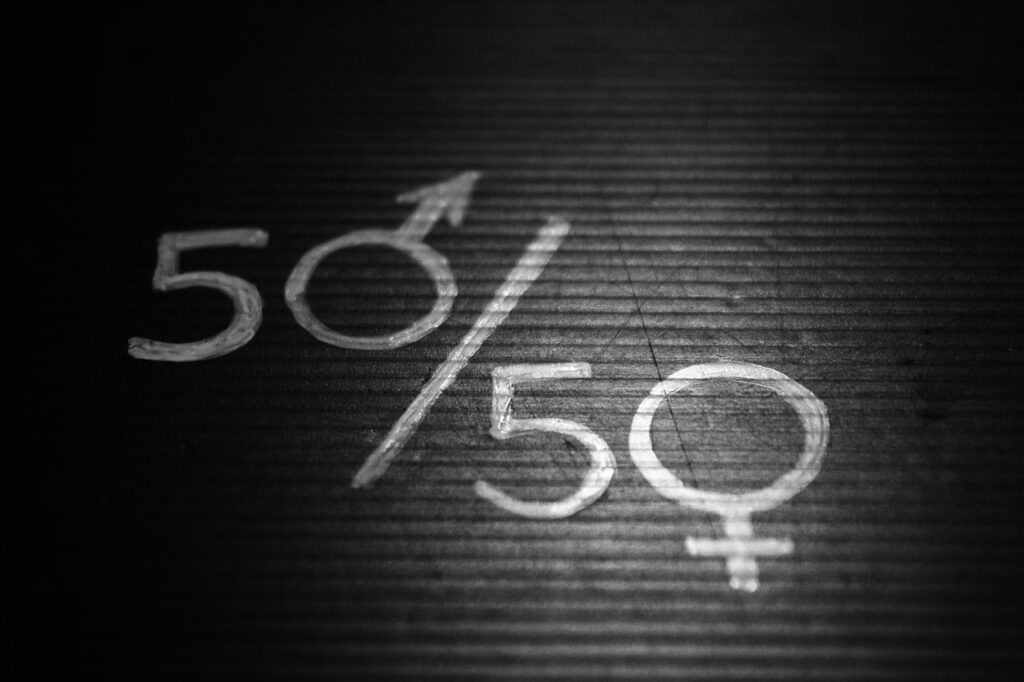
- Start by collecting gender-disaggregated data to develop a strong foundation for policy planning.
- Governments and organizations should build data systems that track how climate risks and interventions affect people differently.
- This information enables policy makers to tailor solutions to real needs and monitor whether outcomes improve equity.
- Stakeholder engagement must be inclusive and empowering.
- Processes that claim to include women must go further to ensure that they have a voice and influence decisions about climate priorities, resourcing, and implementation.
- Inclusive climate councils, advisory bodies, and policy forums help bridge gaps in representation.

- Climate finance strategies should include gender markers and require gender impact assessments.
- Donors and governments can adopt practices that prioritize funding for projects with clear gender-responsive outcomes, thereby expanding access to resources for women and marginalized groups and increasing economic and climate resilience.
- Corporations should incorporate gender-responsive climate risk assessments into sustainability planning.
- Firms with gender-diverse leadership often show improved environmental performance, partly because broader perspectives enhance decision-making quality and innovation in climate solutions.


- Finally, monitoring and evaluation frameworks need to embed gender indicators.
- By tracking outcomes across gender, policymakers and practitioners can learn what works, what doesn’t, and how to adjust future actions for greater effectiveness and equity.
4 Core Elements Of Gender Mainstreaming Framework For Action
Instead of a siloed step-by-step method, these elements form an integrated approach where each element reinforces the others creating a more effective and inclusive process of mainstreaming gender in climate actions.
Climate assessments must recognize gendered vulnerabilities and capacities…
Inclusive decision-making must be built into climate governance…
Climate finance must be gender-responsive…
Monitoring, evaluation, and accountability systems must include gender-responsive indicators that…

Why Ignoring Gender Leads To Weaker Climate Outcomes?
Gender is often treated as a social issue that sits outside “core” climate action. This assumption is one of the main reasons climate policies and investments underperform. This gender bias in climate change creates blind spots that weaken climate effectiveness, not create neutral outcomes.
1. Climate Risks Affect Unequally
Natural and anthropogenically induced disasters, like heatwaves, floods, droughts, and food insecurity affect people differently depending on income, mobility, access to information, and social norms. In many parts of the world, women are more exposed to climate risks because they are the primary caretakers with many responsibilities like water collection, food production, and household energy use, yet have less control over resources and decisions.
When climate plans and policies do not account for these differences, adaptation measures fail to reach those who need them most, and resilience is undermined.
2. Universal Fixes Do Not Work
Climate policies designed around a “generic household” or “average citizen” often reflect male-dominated economic and decision-making structures. As a result, interventions may be technically sound but socially misaligned. The perfect example for this scenario would be of clean energy programs. They reinforce inequality if women are excluded from access to technology, financing, or employment in the green economy.
Gender-blind solutions may meet short-term targets but struggle to scale or sustain impact because they overlook how people actually live, work, and make decisions.

3. Missed Leadership And Innovation Opportunities
Women and marginalized genders are not only vulnerable to climate change; they are also key agents of adaptation and mitigation. Evidence have consistently shown that whether it’s the community-level resource management or climate-smart agriculture and renewable energy enterprises, inclusive leadership improves environmental outcomes.
When the action excludes women from planning and leadership roles, its impact gets compromised. It loses local knowledge, practical insights, and innovative capacity, damaging both policy design and implementation.
4. Inefficient Use Of Climate Finance
Non-gender-responsive climate finance often fails to reach its intended beneficiaries. Complex application processes, lack of gender data, and gender-blind eligibility criteria mean that women-led initiatives and grassroots adaptation efforts are frequently underfunded. This causes inefficient spending and reduced climate impact per dollar invested.
Gender-responsive climate finance improves targeting, accountability, and long-term returns by aligning investments with real needs and capacities on the ground.
Above 4 examples reflect only a part of the challenges while ignoring gender in climate action. Further evidence and analysis can be found in 9 Reasons Why Gender-Inclusive Climate Action Is Essential For Adaptation.

Climate Response Through A Gendered Lens
This article sheds light on an important matter that climate action fails when it is designed for an “average” person. People experience climate risks differently, and those differences shape whether solutions work or fall apart.
As climate risks intensify and global society strives to stay within manageable warming limits, the choices we make today about who we include in climate action today will shape the effectiveness of every strategy that follows.
Gender mainstreaming simply makes climate action more realistic. It reveals what works, what fails, and what remains invisible in climate responses. It helps policies reach the people they are meant to serve, makes investments more effective, and prevents well-intentioned solutions from reinforcing existing inequalities.
Understanding this link WAS the first step. The real question NOW is not whether gender matters to climate outcomes, but how quickly decision-makers and institutions can move from acknowledgement to meaningful practice.